
Top-Rated Products for Commercial Flooring Installations You Should Know
Learn about the essential products that help achieve seamless, long-lasting commercial flooring installations.
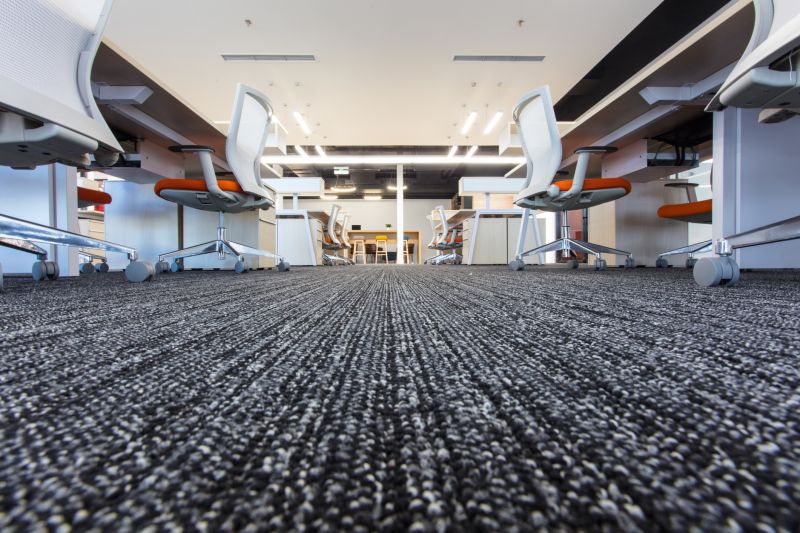 Selecting the right products for commercial flooring installations is essential to ensure durability, safety, and aesthetic appeal in high-traffic environments. Commercial flooring projects often require specialized materials and accessories that can withstand frequent use and heavy loads. From subfloor preparation to finishing touches, a comprehensive approach involves choosing appropriate adhesives, underlayments, surface coverings, and maintenance products. Proper installation not only prolongs the lifespan of the flooring but also contributes to a safe and professional workspace.
Top Overall Option
Commercial Flooring Adhesive
A high-quality commercial flooring adhesive provides a reliable bond between flooring materials and subfloor surfaces. It is formulated to offer strong adhesion, flexibility, and durability, accommodating various flooring types such as vinyl, carpet tiles, and laminate. Selecting a versatile adhesive can simplify installation and contribute to the longevity of the flooring system.
Types of Products For Commercial Flooring Installations
Vinyl Flooring
Flexible and resilient, vinyl flooring is popular for commercial spaces due to its ease of maintenance and variety of designs.
Carpet Tiles
Modular carpet tiles allow for easy replacement and design customization in commercial settings.
Laminate Flooring
Laminate offers a wood-like appearance with enhanced durability, suitable for high-traffic areas.
Ceramic Tiles
Ceramic tiles provide a hard, durable surface ideal for bathrooms, kitchens, and entryways.
Epoxy Coatings
Epoxy coatings create a seamless, high-strength surface suitable for industrial and commercial floors.
Rubber Flooring
Rubber flooring offers impact absorption and slip resistance, often used in gyms and industrial areas.
Luxury Vinyl Plank
Luxury vinyl planks mimic hardwood aesthetics with added durability and water resistance.
Raised Access Flooring
Elevated flooring systems facilitate cable management and easy access to wiring beneath the surface.
Underlayments
Underlayments provide cushioning, soundproofing, and moisture barriers for various flooring types.
Floor Leveling Compounds
Leveling compounds ensure a smooth, even surface for the installation of flooring materials.
Floor Sealants and Coatings
Sealants and coatings protect flooring surfaces from stains, moisture, and wear.
Transition Strips
Transition strips create a seamless connection between different flooring types or areas.
Floor Cleaners and Maintainers
Specialized cleaning products help preserve the appearance and integrity of commercial flooring.
Adhesive Removers
Adhesive removers facilitate the safe and effective removal of old or excess adhesive residues.
Baseboards and Molding
Baseboards and molding provide finishing touches that enhance the overall look of the flooring installation.
Popular Choices
Vinyl sheet flooring is widely used for its seamless appearance and ease of installation in commercial environments.
Carpet tiles are favored for their versatility, ease of replacement, and design flexibility.
Luxury vinyl tile offers a durable, attractive surface that mimics natural materials like stone or wood.
Epoxy coatings are popular for their seamless, high-performance finish in industrial and commercial settings.
Rubber mats provide impact absorption and slip resistance, suitable for gyms and industrial areas.
Ceramic tiles are often used in high-moisture areas for their durability and ease of cleaning.
Raised access flooring is commonly chosen for data centers and offices requiring cable management.
Self-leveling compounds help achieve a flat surface for various flooring materials.
Commercial-grade adhesives are essential for securing flooring materials in high-traffic areas.
Sealants help protect flooring surfaces from stains, moisture, and wear over time.
Transition strips assist in creating smooth, safe transitions between different flooring types.
Specialized cleaning products are used to maintain the appearance and safety of commercial floors.
Impact-absorbing mats are used in areas requiring additional cushioning and slip resistance.
Moisture barriers are critical in preventing water damage in flooring installations over concrete slabs.
Finished edges with baseboards and molding provide a polished look to flooring projects.
The process begins with assessing the subfloor condition, which may necessitate specific primers or leveling compounds to create a stable base. Once the foundation is prepared, selecting the right type of flooring material—such as vinyl, carpet tiles, laminate, or ceramic tiles—is crucial. Each material has unique installation needs, requiring compatible adhesives, underlayments, and tools. Additionally, safety considerations like slip resistance and impact absorption should influence product choices.
During installation, attention to detail ensures that seams are properly sealed, surfaces are level, and edges are securely bonded. Post-installation, finishing products such as sealants and cleaning agents help maintain the flooring’s appearance and functionality. Investing in quality products designed for commercial use can facilitate smoother installation processes and result in a resilient, professional-grade flooring system that meets the demands of busy commercial spaces.
Key Buying Considerations
- Compatibility with existing subfloor materials and conditions
- Load-bearing capacity and durability requirements
- Slip resistance and safety features suitable for the environment
- Ease of installation and available tools or professional assistance
- Resistance to moisture, stains, and wear in high-traffic areas
- Compatibility of adhesives and underlayments with chosen flooring types
- Maintenance and cleaning needs to ensure longevity
- Aesthetic compatibility with the overall design scheme
- Cost-effectiveness over the lifespan of the flooring system
- Availability of replacement parts or modular components for repairs
- Environmental conditions such as temperature fluctuations and humidity
- Compliance with local building codes and safety standards
- Ease of access for future repairs or modifications
- Soundproofing and impact absorption features if necessary
- Compatibility with other building systems like electrical or HVAC